Likes
13
Share


@Ksouth1
Follow
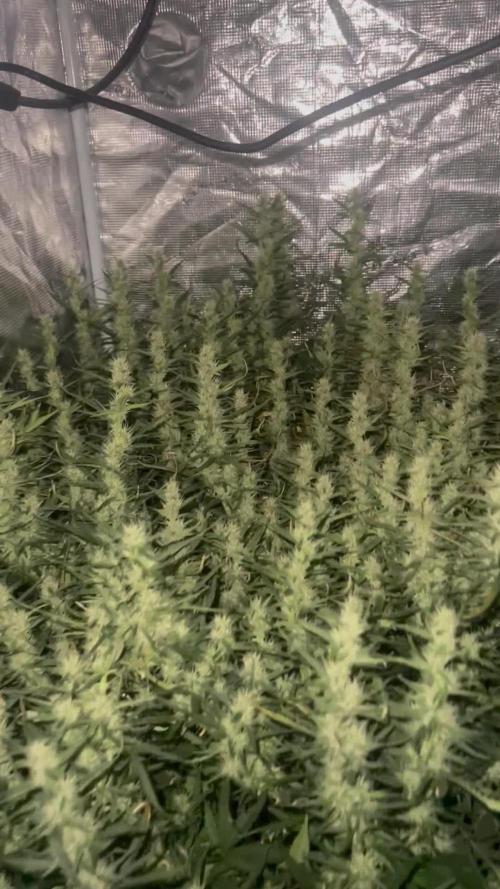
Last week went well. She is done stretching and is just stacking on bud mass and trichomes. Very pleased with this strain so far. Thank you Seedsmans for the great testers. This beauty would have done great in a 5 gallon pot. Still has some time to go, but I can't wait. The smell is getting stronger and I am looking forward to trying her out. Happy I have more seeds to grow. She responded great to topping and lst training. I did some minor defoilation this past week and am just watching her do her thing. Until next time happy growing to everyone!


Likes
9
Share


@Cali_Rayy
Follow
4 girls in the tent in flower so too many terps to describe who’s are who’s at the moment; super sticky bus hope to see some more colors come out in the next weeks 🤟

Likes
24
Share


@1_Plant_Wonder
Follow
Day 63 from seed, about 5 weeks into flower 🌹✌️🏽🌱
Plant has finally stopped growing vertically, stopped at 57 cm,
Considering the topping and LST, that's pretty high i would say.
Had to do another huge defoliation and cutting down all immature branches and popcorn buds.
Also started to add Atami bloombastic (pk14-15) for the second stage of flower.
All in all everything is going smoothly now, buds getting bigger in size, although still fluffy.
Hopefully they'll get danser in the next week or so🤞🏽
Until next week ppl 😎✌️🏽💚
Likes
39
Share


@MyStery21
Follow
2-3 more days till harvest... some flowers need a little extra time. trichomes are 40% -50% amber.
6/19 17 weeks, baby it's about to be harvested, how she looks?... i just put this plant inside my room with the AC ON. THE SMELL MAKES ME SMOKE WEED TILL SUNSET , VERY VERY SWEET 😲


Likes
9
Share

@DaedalusGrow
Follow
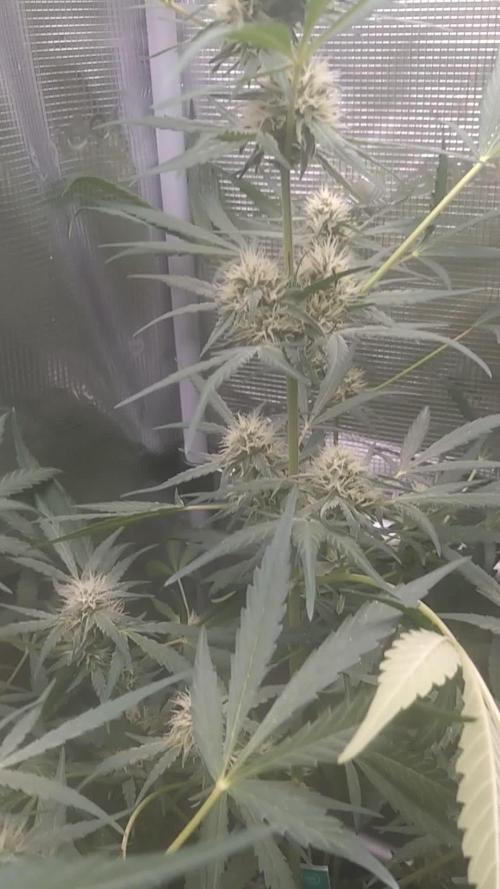
Hat sehr viele Seitentriebe entwickelt🌱💪 mit Vielen Blüten, sehr fein👌🌱🍃
Likes
38
Share


@PEAKYPLANTERS
Follow
Good evening and welcome back, fantastic friends of the old Weed!
Sharing my growth with you is always a pleasure! These sensual -looking beauties begin to have a really nice perfume .... I think we will begin to irrigate with only water from now!
see you around


Likes
1
Share

@Day_1
Follow
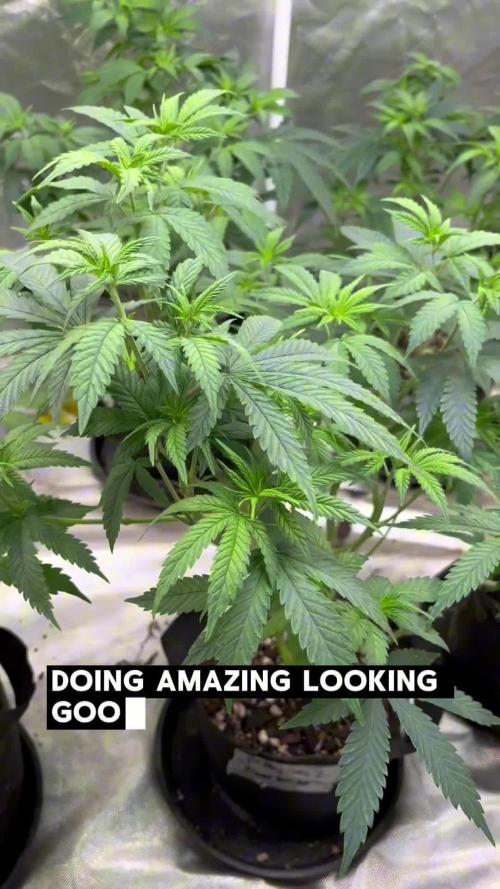
Gave the girls a really good defoliation giving them a couple of days before going into week nine first week of flower then gonna give them one week in flower before I give them a top feeding of flower nutes
Likes
4
Share


@ThatoneAKguy
Follow
For those who follow me could see that I was absent and I apologize to you and the ladies in this tent. These seedsman northern lights are tough. I was out of town for work during their prime stretch phase and all they got was straight water added to the res. Two of them are specimens still and the one without the floraflex feeding cap isn’t getting the nutes distributed they way the plant likes so today I’ll modify one and see if I can make her happier. In the end I know they’ll end up strong but it was during the crucial stretch period and they needed more than they got. All we can do is move on and try to make them flourish.
Thanks for looking. Have a great day.
Likes
20
Share

@Cauli
Follow
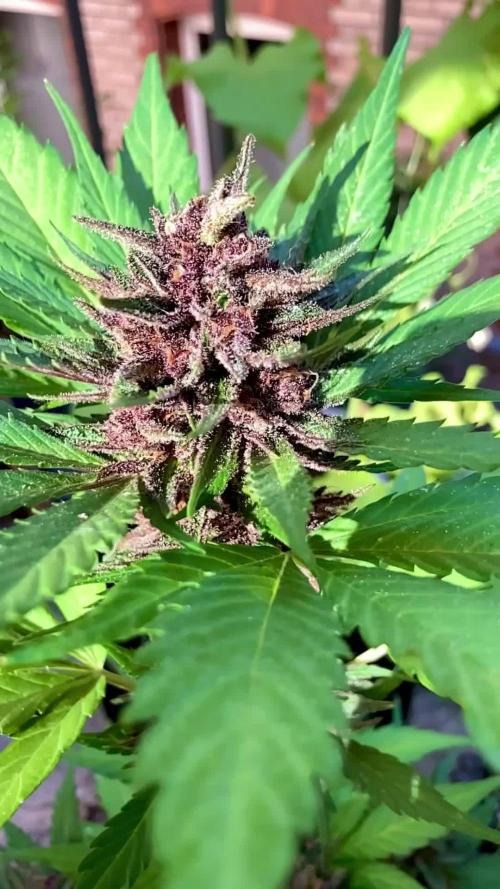
So, this will be their last week.
After around twelve weeks, both guavas look to be ready for harvest.
both plants didn't grow super big, the cold in the beginning seems to have really slowed things down super heavy.
Nevertheless there are some nice and beautiful buds, looking forward how they will evolve when cured.
Likes
13
Share


@CBDezz
Follow
Growing these ladies was great and super easy. I ran into a problem early on from not using the correct PH when watering and they bounced back nicely. Seed to harvest in 10 weeks probably could have went another week.
Likes
29
Share


@UKFieldNinja
Follow
Only my second grow, need to write down everything i do, light change, feed day, water day etc etc...instead of guessing and forgetting...

Likes
20
Share


@Mosquito_Haarlem
Follow
Ze heeft het naar haar zin en wordt steeds dikker.
Heb wat spintmijt gezien, maar was er op tijd bij en heb haar een knoflookwater behandeling gegeven. Er zijn geen beestjes meer te bekennen.
Bladeren die al wat aangetast waren en de grote bladeren die veel licht blokkeerden heb ik weggeknipt.
Verder doet ze het zeer goed.
Dag 60: Het lijkt er op dat ze de honing die is meegegeven met haar voeding erg lekker vindt.
De toppen zijn in massa toegenomen de laatste paar dagen.
Dag 62: Vanaf morgen ga ik haar alleen nog water (Spa Reine) geven dus flushen.
De voeding van Plagron heeft haar laten smullen.🌳 Zeer tevreden.
Wordt vervolgd...


Likes
17
Share


@Naujas
Follow
another activity in gloomy autumn evenings:) I think it will be interesting and difficult growth at the same time :) because the space is very minimal :) good luck to everyone:).
Likes
11
Share


@SanderanderS
Follow
This grow was all about learning the process of hydroponics. Needles to say
It is not as easy as it looks and takes a lot of time to set up and so...
But along the way with help from several growmies it came to a unexpected result. 227 gram dry weight of good quality cannabis. This result ,I'm very happy ,has so much room for improvement that I can't wait for the next grow.
I like to thank Royal Queen Seeds for sending me these awesome genetics, I suspect this is a big part of the result, the freebies and a lot of weed.
Ofcourse I couldn't wait for the cure and started smoking. Man this stuff is sticky!! The smell is already hard to resist. The taste could be better,no cure yet,
Very fresh but you smell and taste the potential.
Being a long time haze smoker the effect is not exactly my thing but at night
after dinner with a cup of coffee that's more what this is.
Being a older person the hardest part of this contest is this damn diarie. Still find it difficult to find my ways. How many times I have to do this over 😤
I will grow this stuff again , never was a big fan of autoflowers but this outcome
made me a believer. The starting plugs that came with these seeds are from now on a absolute must have! You see the difference .
I cleaned the Aquafarm and it's ready for the other strain "Legendary OG Punch", that's now inside the growplug. Unfortunately to late for a full grow to be in competition but will make a diarie never the less.
Likes
22
Share


@bypado_farm
Follow
Day 57:
Watered each plant with 1L with nuts
1588 ppm, 3380 us/cm, 3.3 EC (purple punch, strawberry banana, wedding Cheesecake)
1690 ppm, 3595 us/cm, 3.5 EC
(gorilla cookies)
2 different feedings for the 10 plants
Day 60:
Watered each plant with 1L with nuts
1563 ppm, 3325 us/cm, 3.3 EC
Day 62:
Watered each plant with 1L with nuts
1726 ppm, 3712 us/cm, 3.7 EC (purple punch, strawberry banana, wedding Cheesecake)(I gave them more than usual, by mistake)
1528 ppm, 3525 us/cm, 3.5 EC (gorilla cookies)
2 different feedings for the 10 plants
Day 63:
Watered each plant with 1L with nuts
1563 ppm, 3325us/cm, 3.3 EC (purple punch, strawberry banana, wedding Cheesecake)
1523 ppm, 3301 us/cm, 3.3 EC (gorilla cookies)
2 different feedings for the 10 plants
Day 65:
Watered each plant with 1L with nuts
1518 ppm, 3210 us/cm, 3.2 EC (purple punch, strawberry banana, wedding Cheesecake)
1359 ppm, 2891 us/cm, 2.9 EC (gorilla cookies)
2 different feedings for the 10 plants
Next feeding I will start to flush some plants, 1st week with flawless finish, 2nd week clean water, 10x the pot, 150L each
Day 67:
Watered each plant with 1L with nuts
1379 ppm, 2908 us/cm, 2.9 EC (1 purple punch, wedding Cheesecake)
1250 ppm, 2687 us/cm, 2.7 EC (gorilla cookies)
285 ppm, 606 us/cm 0.6 EC (3 strawberry banana and 2 purple punch) (2L each)
3 different feedings for the 10 plants
Started to flush all the strawberry banana and 2 purple punch with flawless finisher. (1st week flawless finisher, 2L each, 2nd week clear water, 150L)