


Medic Grow LED: Your experience vs. top-tier brands?

GrowerMariostarted grow question 3mo ago
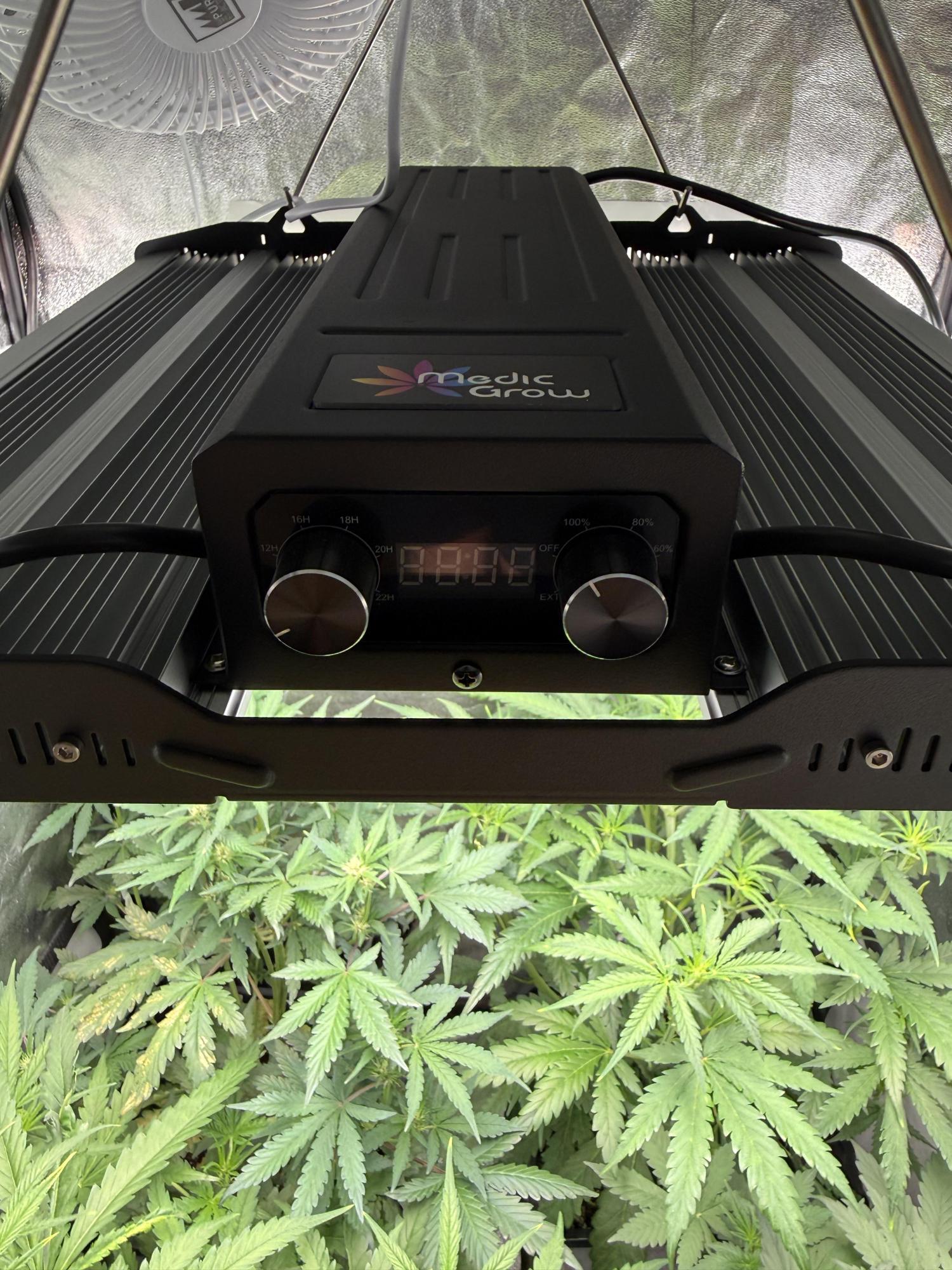
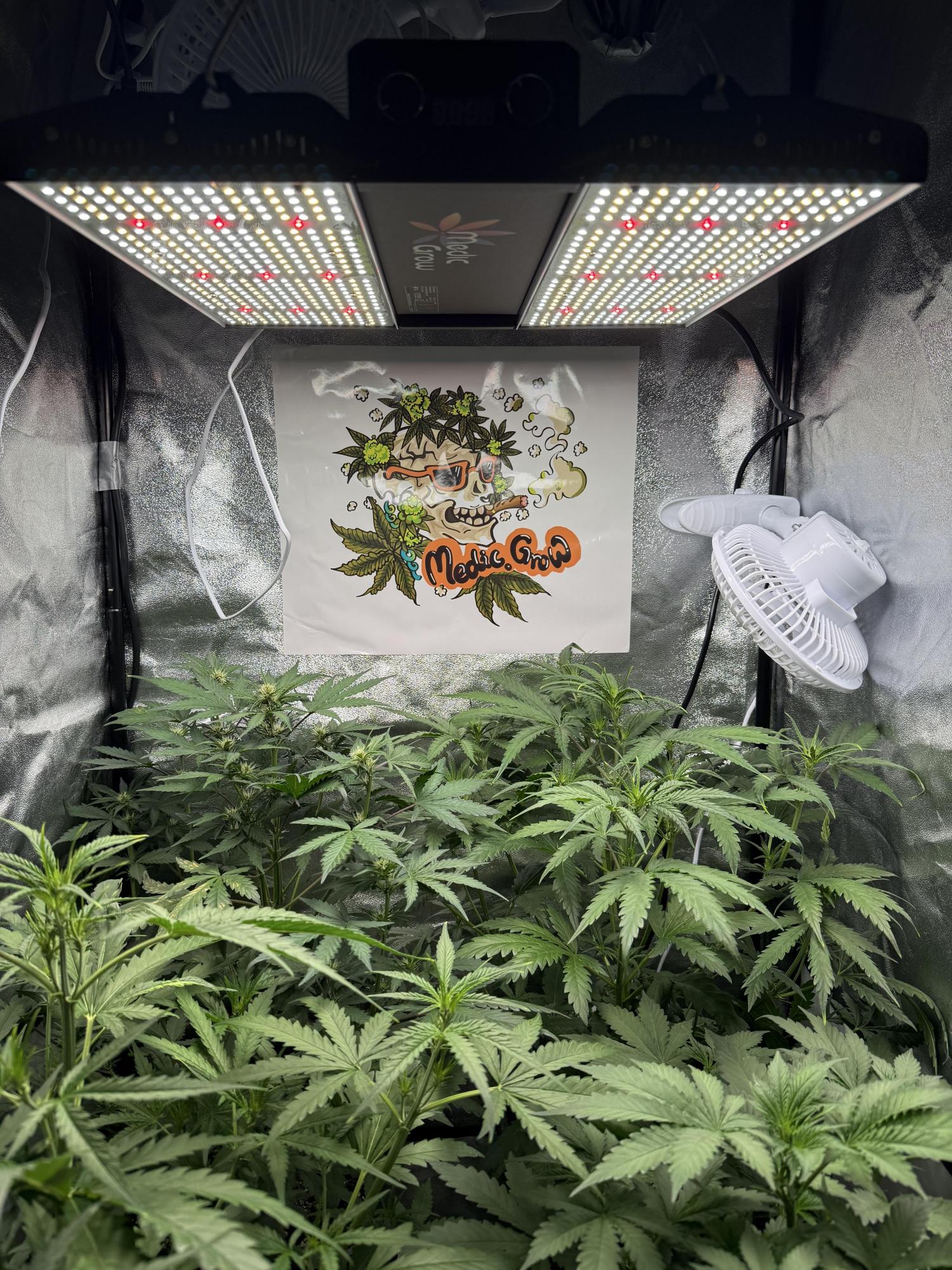
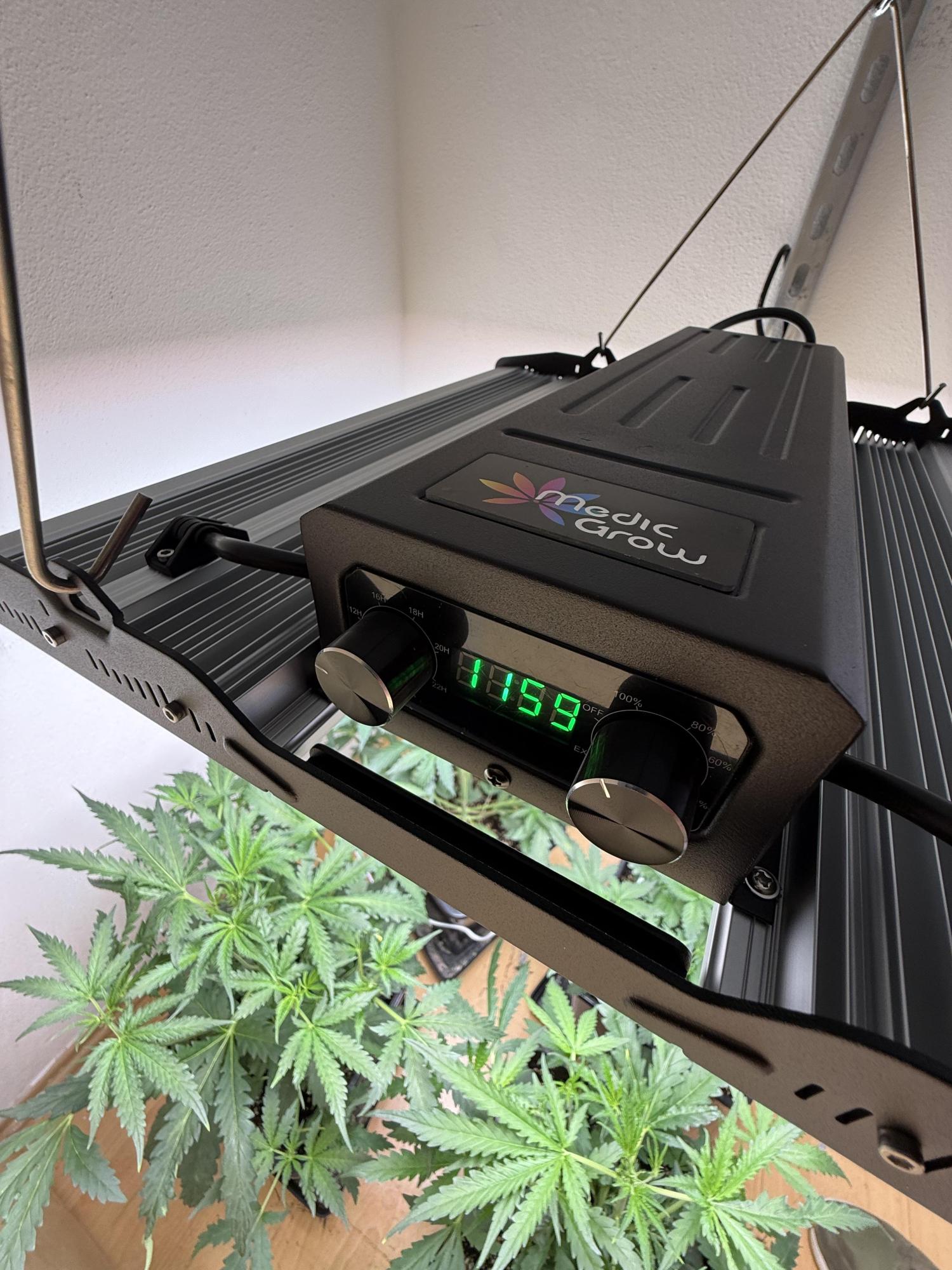
Hey growers, I’m currently running Medic Grow LED fixtures in my setup. Would love to hear your experiences with them – especially regarding flower density, terpene profiles, and overall efficiency. Has anyone noticed any significant differences compared to other top-tier brands?
Solved
Setup. Lighting
likes
00110001001001111Oanswered grow question 3mo ago
It's not about brand of the light manufacturer. It's about the diodes used and not overpowering them.
e.g. a light can be made with lm301 diodes, which are the most efficiious diode, but if they are severely overpowered, they are dog shit all the same.
So, depending on the brand of the diode used, you'd have to test how the light uses them compared to testing paramaters of the diode manufacturer. The diode manufacturer specifications cna be trusted, but even a brand with good reputation often lies on their light specs.. . often listing "3.10 umol/J" even though that only applies for 5000K lm301 diodes, if any are used, lol. Then there are 2-4 different "5000K" cct diodes that have varying efficacy too, lol....the "binning" process will impact resulting quality too.
Most lights provide a suitable spectrum flux (that curve showing higher peaks of red and blue vs greed). Efficacy is the primary different... that is how much light vs heat produced -- heat being waste. higher efficacy lights will meet your umol/s PAR needs with fewer watts and generate less heat while doing so. At this point, that is the difference between 'top-tier' and mediocre products. As long as climate is controlled, results won't be much different, but it'll cost more to get there. On its own, DLI is DLI, regardless.
never trust a light manufacturer's spec sheet unless already familiar with the diode specs and they jive together.
now all diodes have the same specs. For th esamsung lm301, which is no longer in production.... It is tested at 0.20 watts. that is what longevity (50k hours until 90% of original intensity) and efficacy (umol/J) are dependent on to be accurate promises. Lights that power them at 0.5 watts per diode are fine to use, but will produce more heat and most definitely will not last 50k hours before they dim to 90%. That degredation over time will be significantly sped up.
If they are charging a premium price it should be damn near .2 watts per diode.. a few hudredths higher isn't too big of a deal. Cheaper lights will run a lot more electricity through them and save on diode count.
I bought no-brand lights from alibabba. I could tell when medic grow first came out they bought their stock from the same manufacturer in china. Same frame and such, but they slapped a brand logo on it. That doesn't mean they were engineered the same as mine, but simply comparing diode count would answer that question. The light i bought powers the diodes at around .23 watts per diode.. there are 2640 diode (including the 80 660nm which will insignificantly impact the messy math here) and 650w... .246 watts per diode. Slightly overpowered but in a mostly irrelevant way.
So, look up parts. compare testing specs... this sin't a one-size-fits-all answer.. there's lots of ways to cut corners / costs and make a light that sounds good but is garbage when it comes to efficacy. Like i said, a good growing spectrum is pretty much guaranteed at this point unless it's old AF or a truly magnificently incompetent manufacturer.
Similar Grow Questions


Solved

ohighoan
Looking for advice growing plants indoor and outdoor at the same timeSo I’m wondering if it’s ok to grow a plant indoor and outdoor. Id like to put them out only on nice days then bring them back in. Come flower time around august id like to do the same thing. Will this stress them? And will this effect how much par I need to drive down on them?Setup. Lighting
Setup. Outdoor
4y ago
3
3


Solved

jazzyman245
First time grower need help 2/2Hi everyone this is my second post of the the question I asked 2 days ago most common answer was not enough light I use a 600w omega bulb with a reflector and the omega 600 ballast on 600w also here is an updated picture also only seems to be getting worse
Setup. Lighting
4y ago
1
7


Solved

Superjd
Right lighting at day 6 - fluo or HI as both availableRight lighting at day 6? Very happy that all germination looking good on day 6 from seed. I could either continue with this compact fluorescent bulb (15 cm from tiny first leaf) for another week or two OR switch to full HI 1500W immediately (30cm from plant) Thanks!Setup. Lighting
7y ago
1

Solved

Growgodalex
Light timeHow is she looking and how much light do you guys recommend?
Week 2
Setup. Lighting
6y ago
1
5

Solved

GrowerLacey
Change light scheduleMy babies are now in 8wks, the light schedule is 17:7. I have scheduled the 8hrs sleep frm 5am-12pm (this is my sleep time) and now that I hve changed my sleep time, I would like to change their sleep time too, from 10pm to 5am. How will I change the light without stressing them?Setup. Lighting
4y ago
1

Solved

Grazynka
Changing lights for auto flowerAt the beginning the light schedule was 18/6 after 2 weeks I changed it to 24hrs because the light was too weak (10w) I now got different stronger lights (600w)(finally arrived) With the stronger lights can I change it back to 18/6 ? It's autoflower.🤔🤔Week 3
Setup. Lighting
4y ago
3
3
Solved

ZhugeTsuki
Can too much light in Veg cause EC to skyrocket?Hello everyone, I have 4 plants in a 3x3 area under three of these lights - https://amzn.to/2MhseVH
360w all together which is what I expected to use during flower, I didnt realise that you dont need to use as much during veg, all plants have had to be flushed with EC's at 10
6y ago
1
2


Solved

HAPPY91
Using HLG UVAHow do you grow with your HLG UVA lights? Looking for opinions on how grow friends use it for some tips and tricks. Looking to boost all production on cannabinoids. Do you keep it on at all times or not? Thanks again good luck stay safe happy growing cheers!Setup. Lighting
5y ago
7