


Failed Fimming-What to do now?

Natronastarted grow question 10mo ago
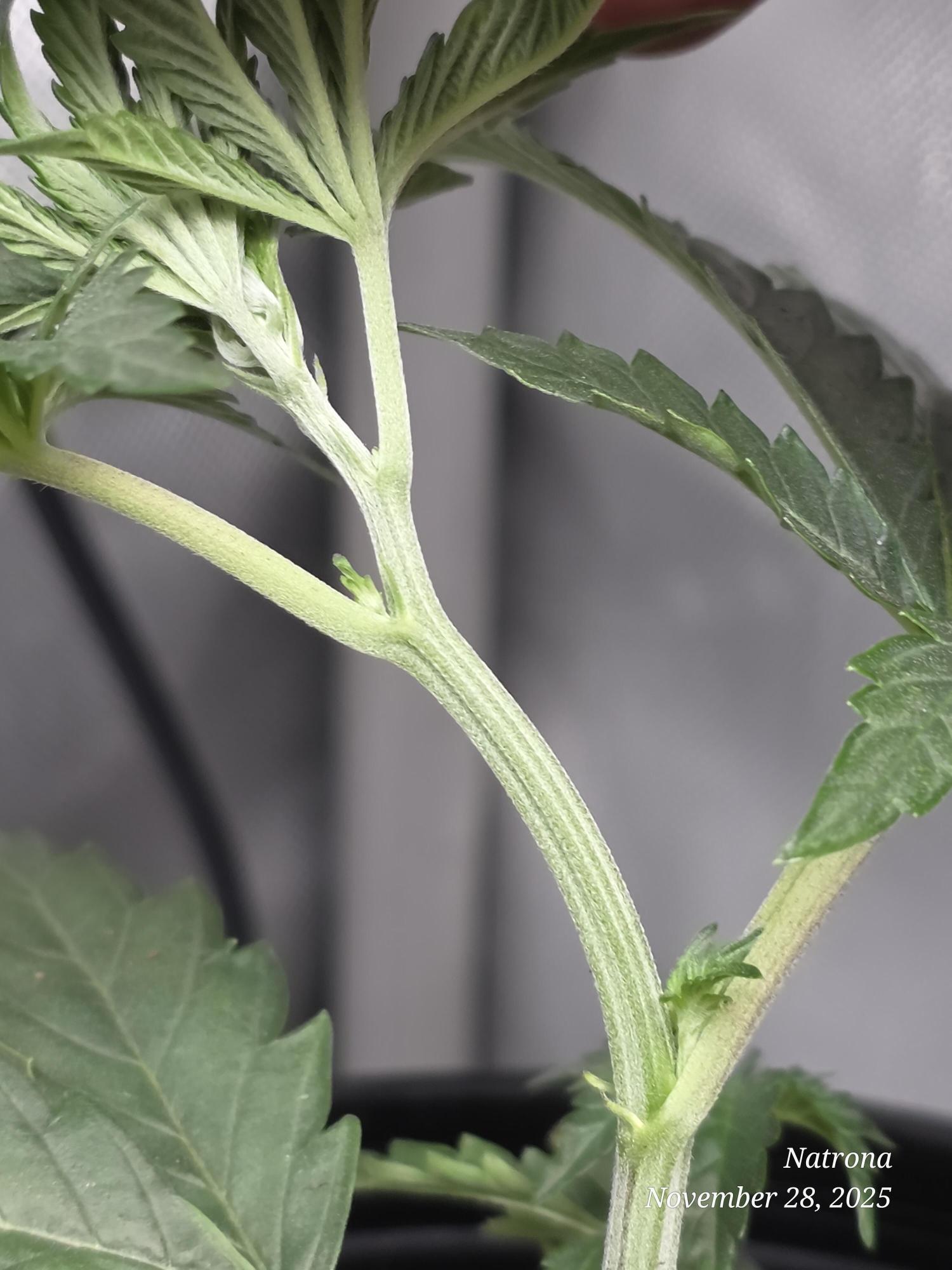
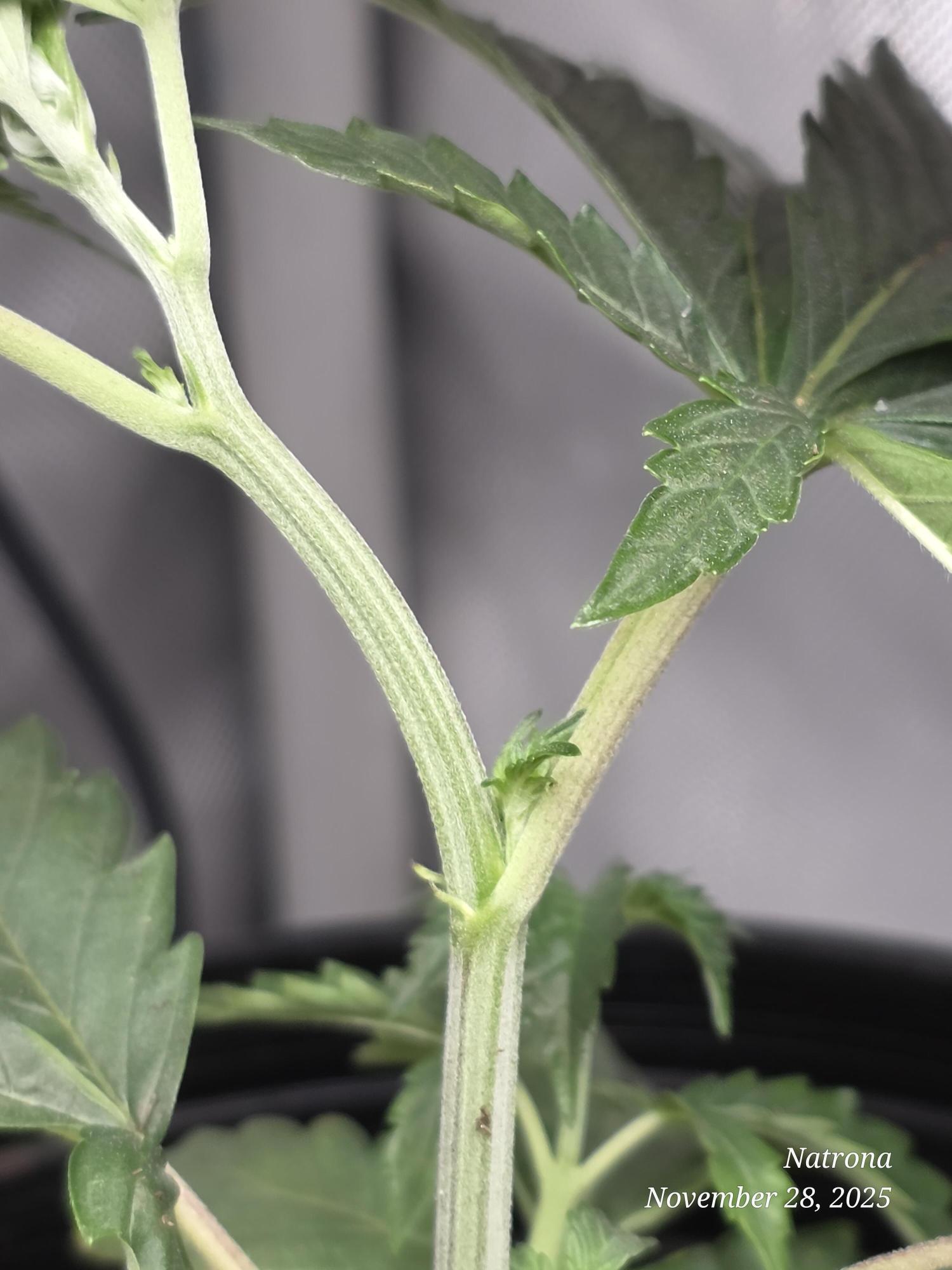
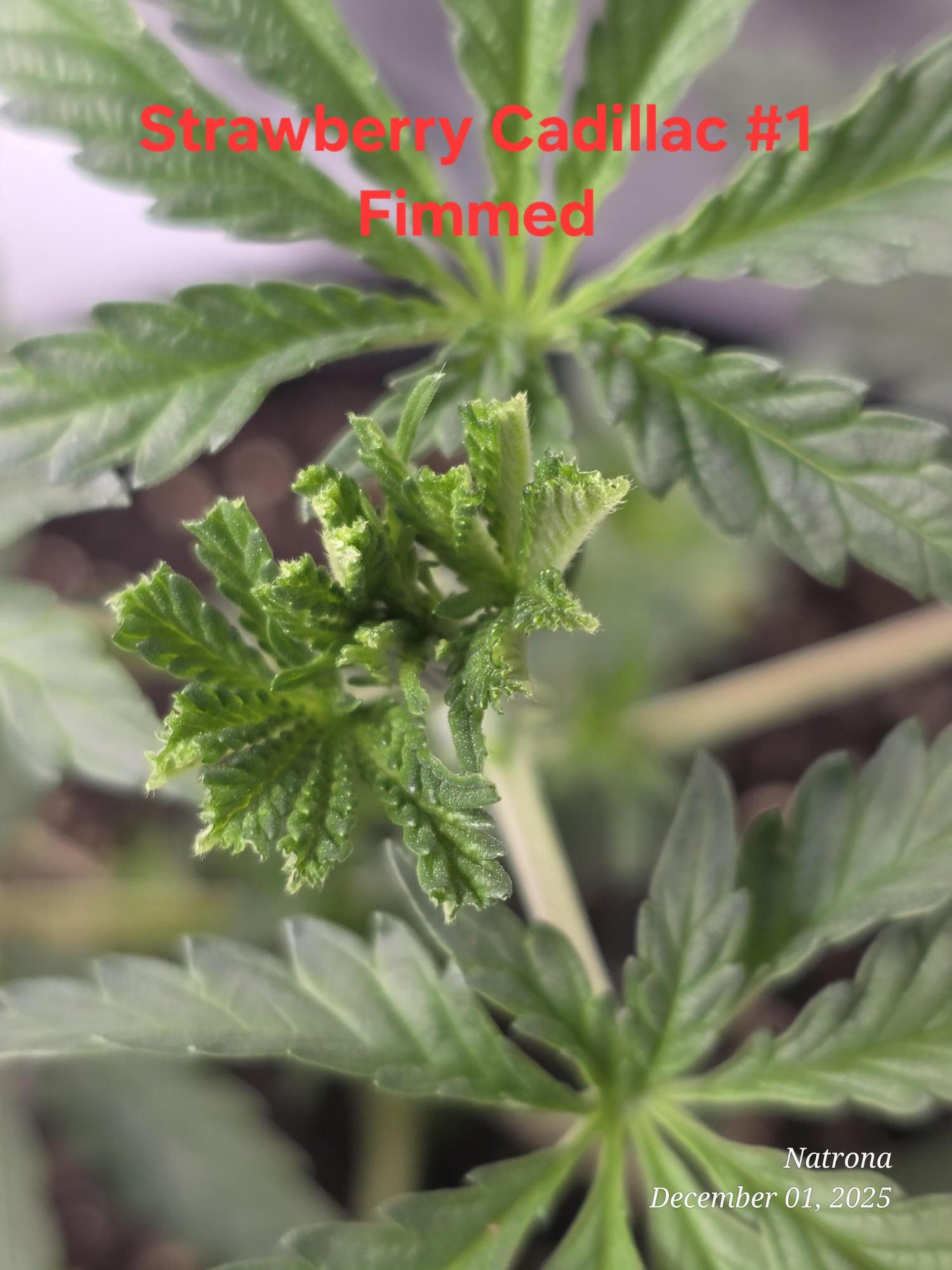
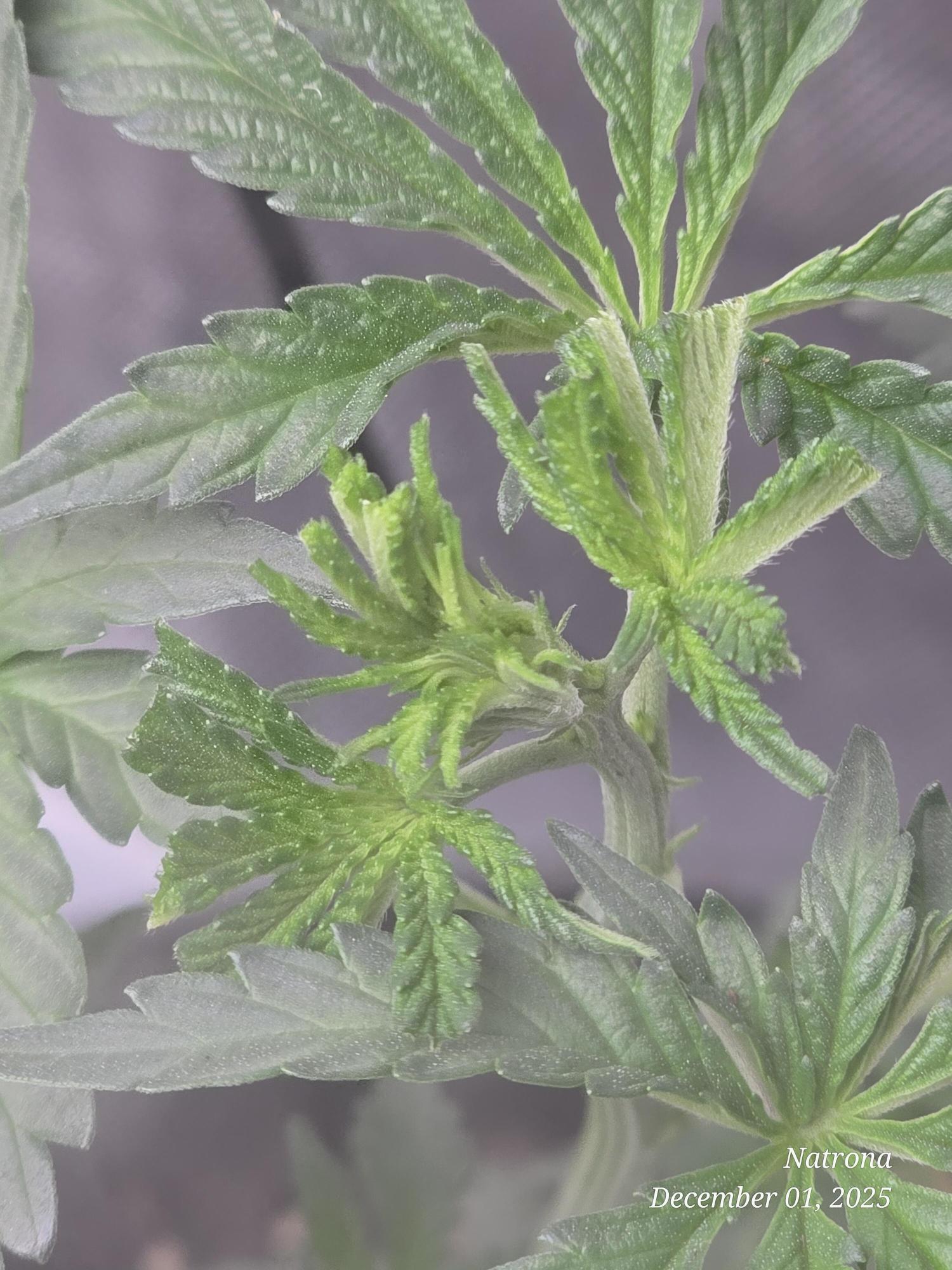
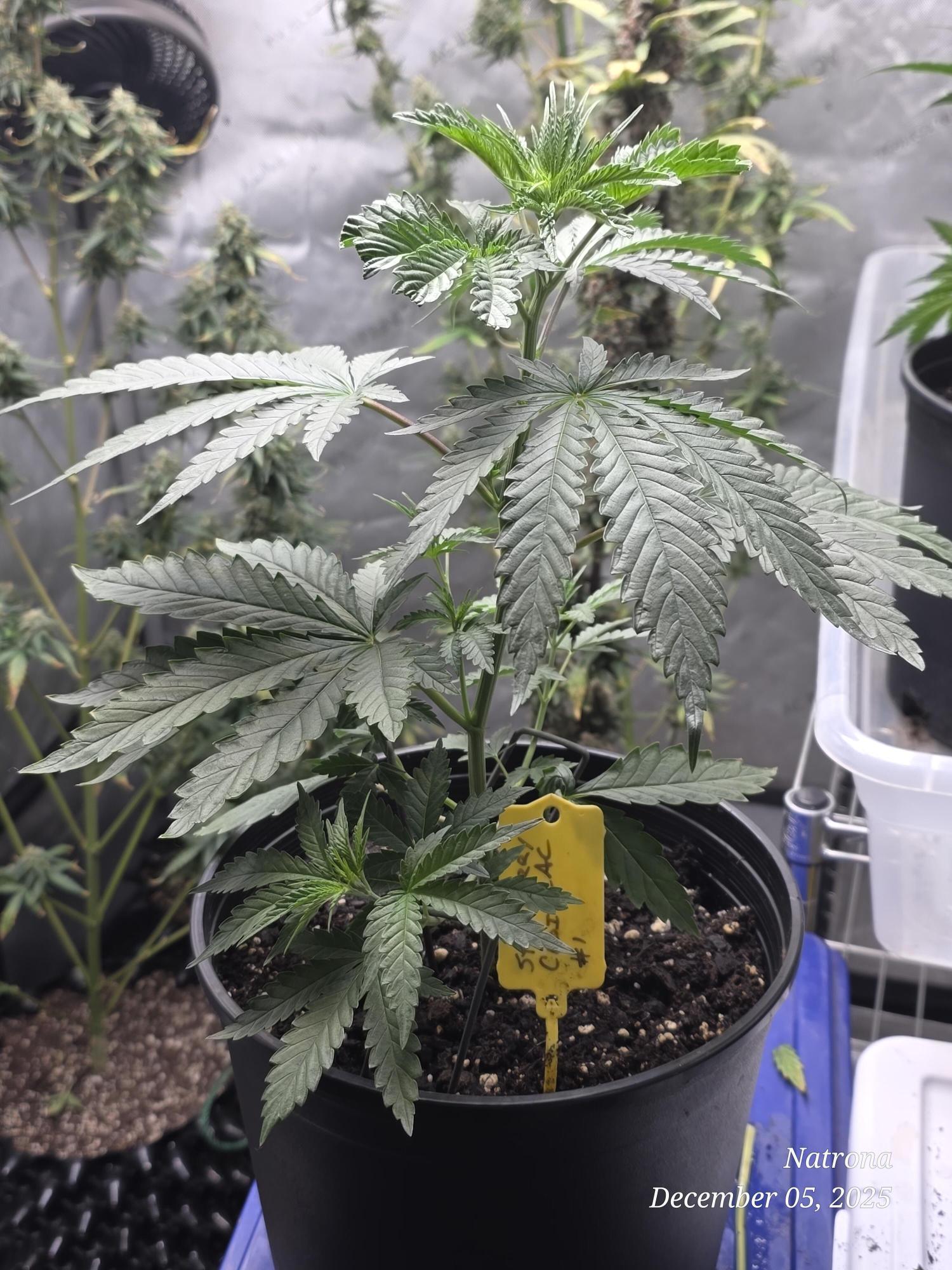
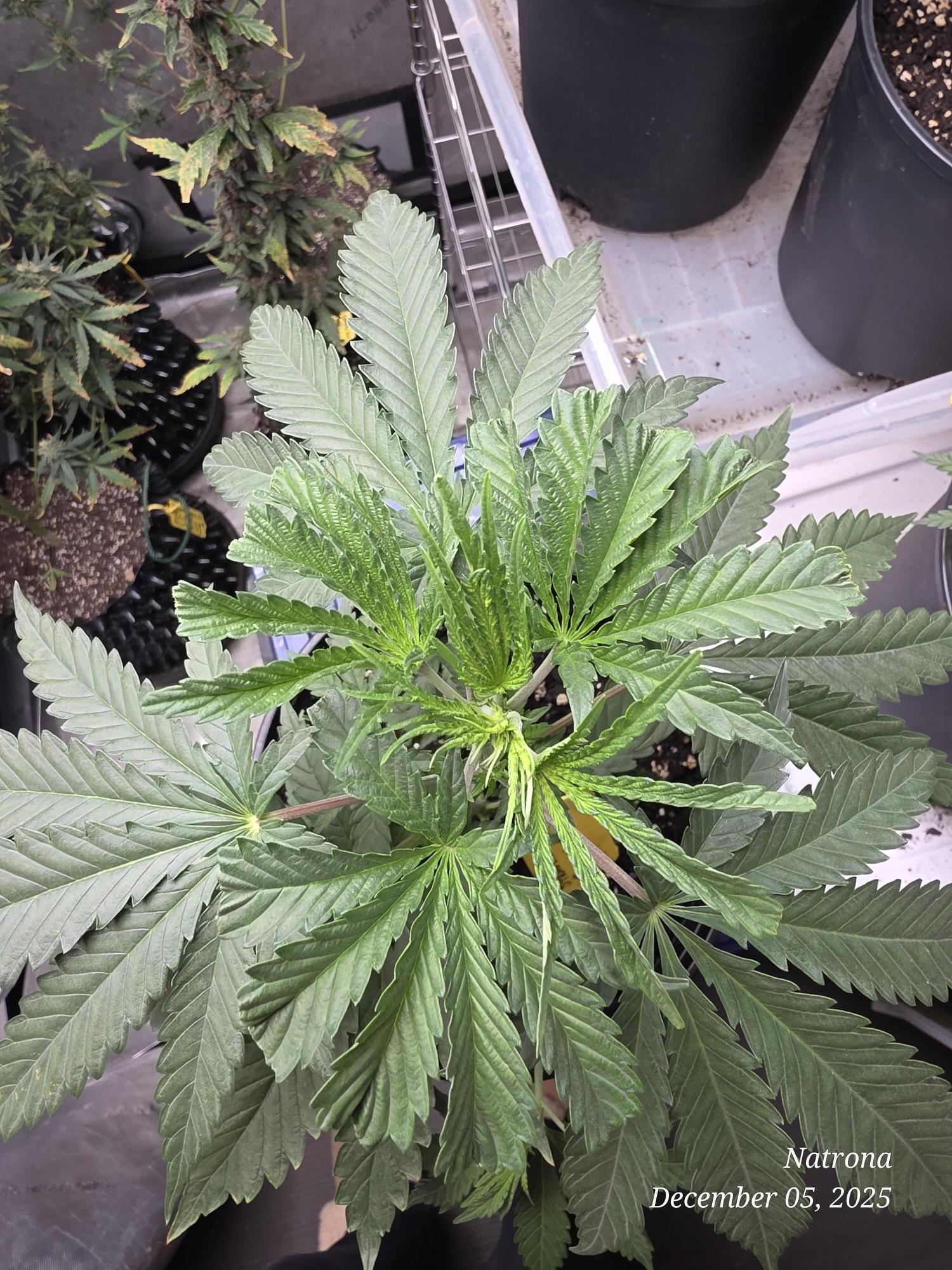
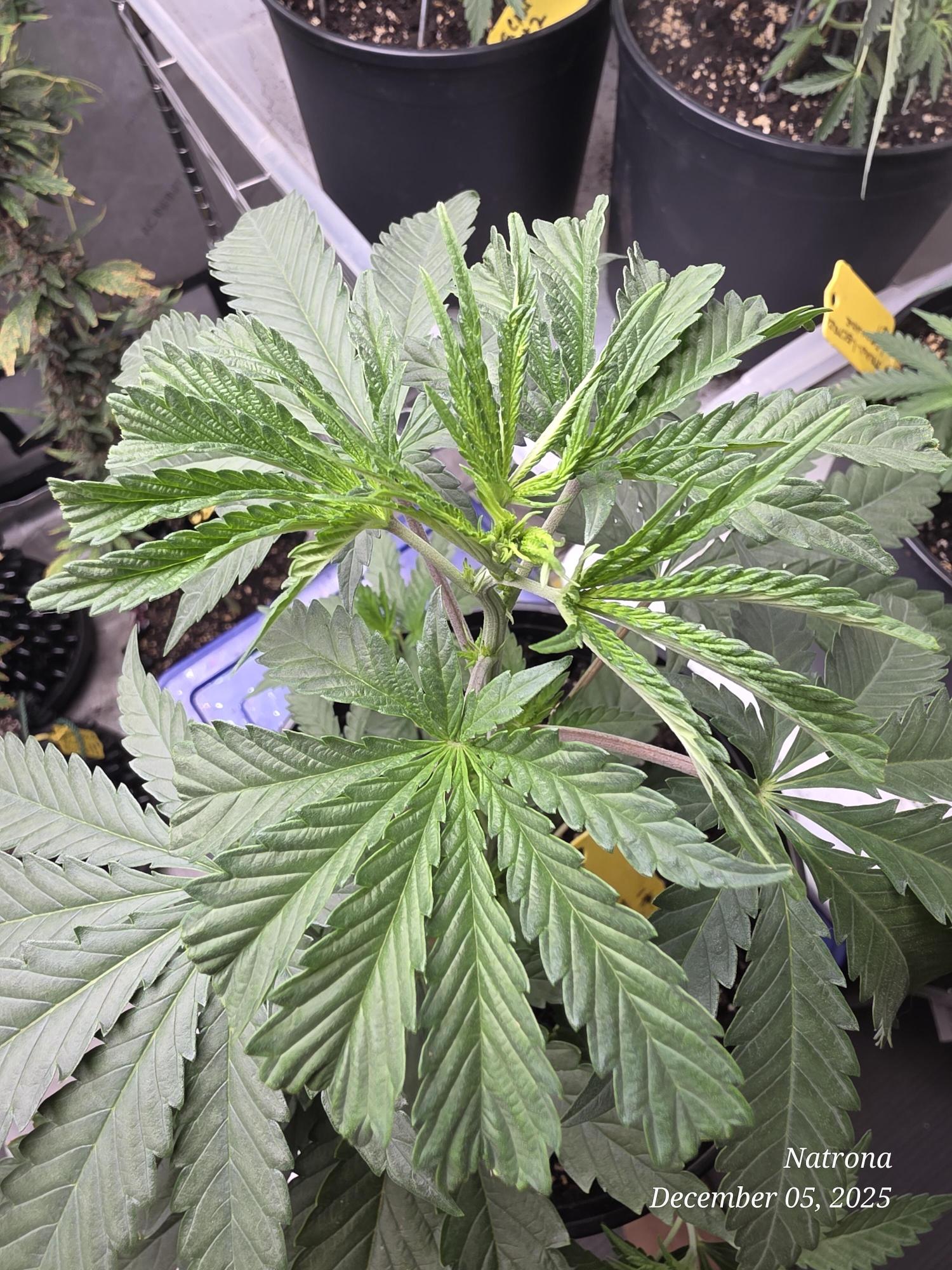
FIM attempted on Strawberry Cadillac. Didn't work as expected. It just looks like i trimmed the leaves for clones. It is because she only has one budsite per node? What should I do now? Top her at a lower node? Let her grow out? Suggestions?
Solved
Techniques. HST
1 like

00110001001001111Oanswered grow question 10mo ago
If the lower node doesn't also come with a weak pull of resources (weak apical dominance), avoid that as it'll never catch up without excessive effort from you trying to slow everything else down. IF it's close enough to the top to demand resources or easy enough to temporarily bend other stuff to shift resources, sure.
FIM is inconsistent. MAybe, you can get 'good' at it, but it will never be 100% predictable. I'd be skeptical of anyone who says they can do it in a consistent way. It's like listneing to people's gambling stories... you only hear about the successes.
Asymmetrical growth may reduce potential? damaging 2 axillar buds instead of 1 has potential cuase for difference. Would just be a good hypothesis to test and not certain. I think the multiple axilla come from a 'fraying' of plant material... 'enough' on each to promote new growth and heal around each, which may not matter as far as symmetrical vs asymetrical growth (1 vs 2 branches per node). Do it enough times and i you might get a glimmer of the answer, but still a lot of other things at play that create a fog of war.
if having fun, knock it out, but imo better to have a plan for the endgoal canopy and reach it in a systematic way - reduces your time, effort and resources invested. FIM can't be trusted or counted on. Even when it does work you get a variable number of branches. Therefore it's just a gimmick to play around with but not a viable standard procedure, if you want more consistent results.
The_Wandereranswered grow question 10mo ago
It probably only stopped growing for a day there where you missed the mark. If you do the fimming right next time, (try same spot) it may stop growing for 2 or 3 days. Topping can stop growth for about a week or so. I dont see why people use LST because the plant just keeps growing, and it can be done all through flowering too without any pause in growth. Some people say that not all plants respond well to topping, but I can't tell the difference anyway. The open wound can be an easy way for pathogens to enter the plant? Well, maybe but that's highly unlikely. Just follow what everyone else is doing. No need to think about it, that's not fun. What's fun is following directions without having to think, or learn complicated things and words. What's fun is doing. We are here to follow along not gain understanding or educate ourselves in gardeneing. If it's not fun then we wouldn't be doing it? But bruh.. that plant lookin good. You'll cut the right spot next time and it's going to be amazing. You'll get like 5 new little bud site instead of one big one. 5 is more than 1 so that's better. More weed.
1 like
Complain

HinduGodanswered grow question 10mo ago
YOU NEED A PRO TO DO IT!!! I SUGGEST CALLING @Susquihanna OVER TO GET DA JOB DONE RIGHT SHE IS VERY VERY GOOD AT FIM!!!!!
1 like
Complain


AlienScrOGanswered grow question 10mo ago
SÌyes, don't worry, it happens what you did, it's just that you went a few millimeters above the apex, you have to take it if you still want to do a fuck I have missed... it's almost better to go directly directly topping on the upper floor otherwise be very careful to cut the apex anyway counting 4 intermediate steps if you go too high nothing happens like what happened to you you can you can easily make a top now a topping that will almost correspond to a film.... I would say that this is a real film.. 😂❤️
1 like
Complain


Selkotanswered grow question 10mo ago
hey 👋
Don’t overthink it, either you let it grow like this and decide later which LST to use, or you top it at this node and train the secondary branches 👍
2 likes
Complain
Similar Grow Questions
Solved

Firefly
Accidently topped my autoflower, we it survive/rebound?Day 24 in my first ever grow. Mephisto northern cheese haze auto. Did a round of LST/Tucking last night, woke up to a fully broken off top growth of the main stem, effectively topping it(?). Is there anything I can/should do? Will it bounce back or should I start another grow?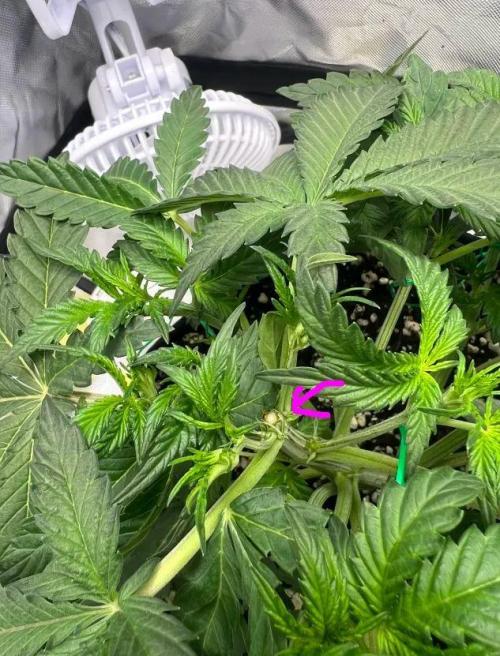
Techniques. LST
Techniques. HST
Techniques. Topping
1y ago
1
1
Solved

Newgrow25
Do stipules = flower phaseStarting to see stipules and lil growth on the internal nodes. Is this the sign of pre flower??
Plant. Spaces between nodes
Techniques. HST
Techniques. Defoliation
1y ago
3
3

Solved

SlowpokeFuegobud
Remove lowest autoflower shoots? Yes or no?Hi there!! I'm quite inexperienced when it comes to autoflowers..
What would you say.. when the stretch is done, should I prune (remove the lowest 2 shoots & secondary shoots)?
Normally I would do that to a photoperiod, but this one grows really quick. Thank you!! 😊
Week 5
Techniques. HST
4y ago
4
4


Solved

GIYPainless
How can I make this better?How do my ladies look? They are on day 1 of week 6. I would like these plants to fill my 4x4 tent. My question is how much longer before you would flip? Also what are your options on LST, Super cropping, Lollipoping or any other ideas on how to improve quality and quantity.
5y ago
1
4
Solved

WeedDude
One new top shoot died what i HST yesterday.super sad thing.The other one looks strong.
I angled the left shoot with a 45 degree. So the Botton shoot can
get more light and be a backup Top? I dont know maybe i cut it down
I have 3 nodes now. If i cut the top one i lose lot grow.
5y ago
1
2
Solved

DrResin420
How Many Times Do You Top/Fim?I wanna hear it from you guys the scroggers (especially!!), master growers! How many times do you like to top, ive currently got a plant ive topped 2 maybe 3 times and got about 12 main node sites im thinking about fimming the mains and vegging for a month and scrog in 2wk?Techniques. HST
Techniques. ScrOG
Techniques. FIMing
5y ago
2
2
Solved

Medicanna
I want YOUR opinions on MY training <3 :)Hey people, this is not an important question, I just want to hear everyones opinion on the training I did today (supercropping, LST and defoliation). Does it look good in your eyes, was it too much, not enough or maybe too early / too late? And what should I do next? Thanks :)))![G13 Haze quarantine grow :^]](https://bucket.growdiaries.com/static/post/photo/32850/2307142_6de5ee17a8aea00e8b0350566e41cb1a_m.jpg)
6y ago
4
4


Solved

Aldo90
When to start training, I've got 6 of the FFs from fastbuds. Looking for some ideas or suggestions on how to approach this run, hoping for a mega yielTraining advice. I've been doing autos for a while and I'm used to lst. This being my first fem run, I'm wanting to keep the height of these as uniform as can be, any tips on when I should start training them and any opinions/suggestions on things I can do to increase my yield.
Week 2
Techniques. HST
3y ago
4
3
Solved

Maskedcucumber
Bruce Banner specific needsI was wondering what specific needs does the Bruce Banner #3 strain needs for climate and nutrients, grow calendar and training techniques but my grow space is small : 60 x 40 cm. (23 x 15 inches) so I should probably go for a sog, big bud or lollypopping. ThanksSetup. Strains · Photoperiod
Feeding. Other
Techniques. HST
5y ago
1
1


Solved

ChrissyN
HST pinch/snap method?I want to try the pinch/snap HST method on this plant but she's in my tent with multiple other plants so my concern is stressing her too much and turning her into a hermaphrodite. Has anyone tried this method before and what do you recommend?
Week 4
Techniques. HST
5y ago
4
3
Solved

Snooziecheesecake
HST at week 2.5 in flower?I’m roughly in between weeks 2-3 of flowering and was wondering if I can still high stress train at this point? Some of the tallest branches are within 6 inches of the light and I expect them to gain a few more inches even. Light is also at max height.Week 7
Techniques. HST
6y ago
1
3
Solved

Accidental_Grower84
Removing smaller bud sites?I'm in flowering week 6 and I notice very small bud sites on some branches. Is it recommended to remove the smallest buds sites at this stage? I was away during the first two weeks of flowering and could not lollipop properly. Thanks for your tips!!
6y ago
1
1

Solved

Dean1
FloweringTryed super cropping about 6days ago has taken well to 90 angle got a few more sites to it still been growing an inch a day heading for the light so having to tie it down still using LST to keep centre open removed at least 15 leaves am I slowing down flowering with all the abuse
6y ago
2
2
Solved

Midwest_X_Mayhem
TRAINING TOO MUCH??Does anyone think i might be going overboard with training? Plant is around 60 days but about day 21 had health issues stripped back and it came back thick. Tried to leave as much plant as possible and focus on training to eeduce stress. Thanks for any and all replies!!!
Plant. Too short
Techniques. LST
Techniques. HST
5y ago
5
5